

Getting Started with Mosaic Art Workshops
Everything beginners need to know about joining mosaic classes. We cover what to expect, basic techniques, and how to find workshops in your area.
Read MoreDiscover how cookbook clubs work in Portugal. Includes tips on hosting tastings, finding groups, and exploring Portuguese and international cuisines together.
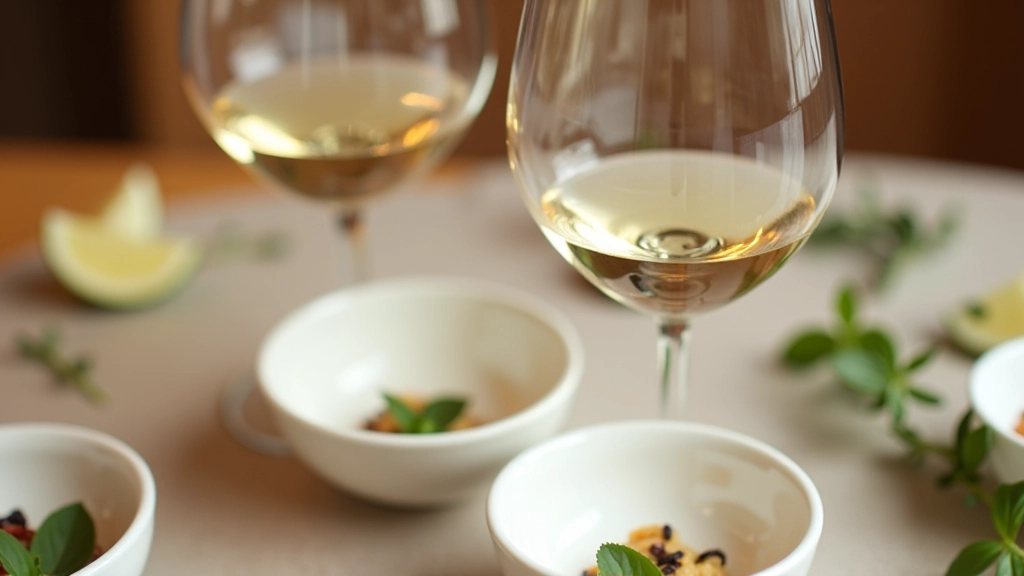
There’s something magical about gathering around a table with people who genuinely care about food. It’s not just about eating — it’s about the stories behind each dish, the techniques you discover, and the friendships that develop over shared meals. Cookbook clubs in Portugal have become increasingly popular among adults aged 40-60 who want to explore culinary traditions without the pressure of formal cooking classes.
These groups typically meet monthly or bi-weekly, choosing a cookbook, recipe, or cuisine theme for each gathering. Members prepare dishes beforehand, bring them to share, and spend the evening discussing flavors, techniques, and cultural backgrounds. It’s conversational, relaxed, and focused on genuine enjoyment rather than perfection.
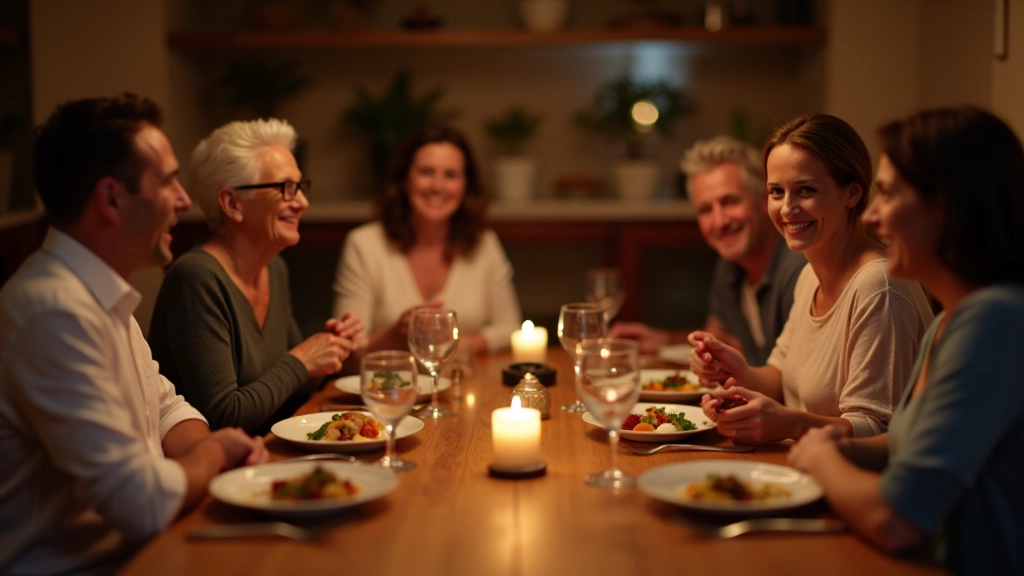

Finding an existing cookbook club is easier than you’d think. Start by checking local community centers, libraries, and wine bars in your area — many host or advertise cookbook clubs on their bulletin boards. Facebook groups dedicated to food enthusiasts and hobby meetups in Portugal are goldmines. You’ll find groups in Lisbon, Porto, and smaller towns throughout the country.
If you can’t find one nearby, don’t hesitate to start your own. It doesn’t require elaborate planning. Invite 4-6 people you know who enjoy cooking and conversation. That’s genuinely all you need. Most successful clubs we’ve seen started with friends recommending friends, growing to 8-12 members within a few months. The best groups have natural rotation — people drift in and out, new faces join, and the core remains stable.
The beauty of hosting is that you’re not alone. A good host sets the theme, but members bring the dishes. Here’s how the rhythm works: Pick a theme 3-4 weeks before your gathering. It could be “Portuguese coastal fish dishes,” “Mediterranean vegetarian cooking,” or even “comfort food from childhood.” Send members a list of 4-5 recipes. Each person chooses one and commits to bringing it.
On the day, people arrive with their prepared dishes around 7 PM. You’ve already set the table with small tasting plates, wine glasses, and napkins. Instead of full plates, you’re tasting portions of everything — maybe a spoonful of each dish. This way, everyone gets to experience the variety without overwhelming their stomach. The conversation naturally flows from “How did you make this sauce?” to discussions about the author of the cookbook you’re exploring, or memories connected to the cuisine.
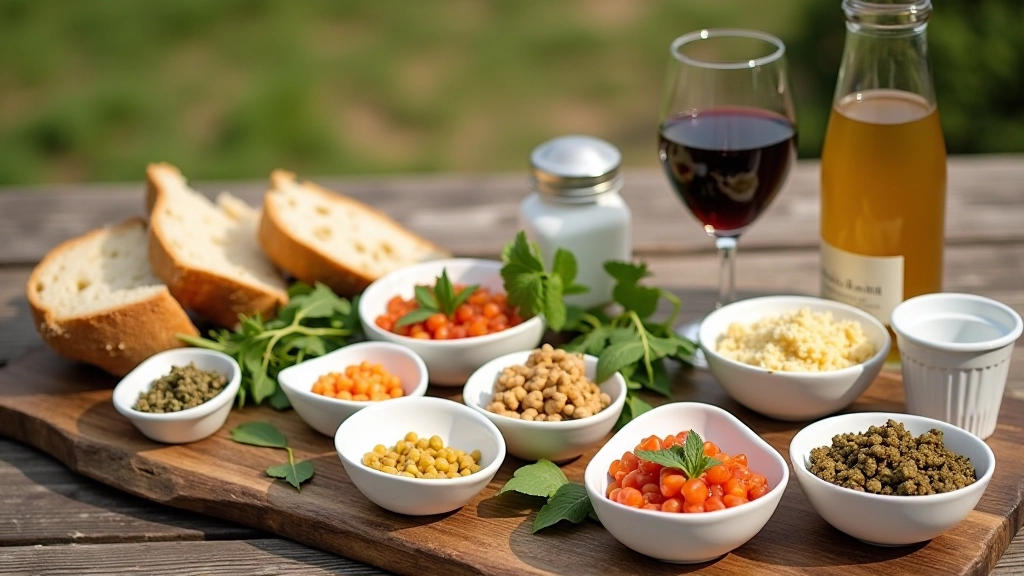

One of the greatest joys of cookbook clubs is exploring cuisines beyond what you’d normally cook at home. You might spend a month deep in Portuguese traditions — learning about the regional differences between Algarve seafood dishes and Minho comfort foods. The next month, you’re exploring Turkish mezze or Italian risotto techniques.
Portugal’s food culture is particularly rich for this. Many members discover that traditional Portuguese cooking they thought they knew actually has layers of technique and regional variation they’d never considered. A simple grilled fish becomes a conversation about why coastal villages prepare it differently than inland regions. A potato dish reveals stories about migration and cultural exchange.
We’ve seen clubs rotate through classic cookbooks like “Salt Fat Acid Heat,” regional Portuguese food writers, and themed explorations. Some members bring family recipes written by their grandmothers, creating opportunities to preserve and share culinary heritage. It’s education, entertainment, and cultural preservation happening naturally around the table.
What starts as a casual gathering around food often becomes something more meaningful. Members become friends. You learn about each other’s lives, families, and interests through the stories attached to recipes. Someone shares why they chose to prepare their grandmother’s dish. Another member talks about traveling in Sicily and how it changed their understanding of cooking.
These connections matter. In Portugal, where community is deeply valued, cookbook clubs tap into that tradition in a modern way. They’re not formal social clubs with rules and hierarchies. They’re genuine gatherings where people who share a love of food and conversation meet regularly. Some clubs evolve into book clubs that occasionally do culinary explorations. Others stay focused purely on food but develop into close friendships that extend beyond the monthly meetings.
You’ll improve your cooking through observation and conversation, not pressure. Watch how someone sauces a dish, ask about their technique, and learn through dialogue.
You’ll taste dishes you’d never make yourself, expanding your palate and cooking repertoire without the commitment of a full recipe.
These gatherings satisfy a real need for meaningful social connection centered around something you genuinely enjoy doing.
Cookbook clubs represent something increasingly rare: a space where adults gather without agenda, without competition, purely to enjoy good food and genuine conversation. Whether you’re joining an existing group in your community or starting one with friends, you’re investing in something valuable. You’re creating regular touchpoints for meaningful connection.
The first step is simple. Look around. Ask friends if they’d be interested. Post in a local Facebook group. Check your library or community center. The community of food-loving adults in Portugal is larger than you’d expect — they’re just waiting for the right gathering to bring them together. And who knows? You might end up hosting the most anticipated monthly gathering in your neighborhood.
Interested in other creative gatherings in Portugal? Discover mosaic workshops, cycling tours, and photography walks perfect for adults seeking community and creativity.
Browse All Hobby MeetupsThis article is informational and educational in nature. It’s designed to help you understand how cookbook clubs function and provide practical suggestions for participation. Circumstances vary widely — group dynamics, local food culture, and member preferences will shape your unique experience. When starting or joining a group, communicate openly with members about expectations, dietary restrictions, and any specific interests you have. The success of any cookbook club depends on mutual respect, clear communication, and shared enthusiasm for food and community.