Countryside Cycling Tours for Adults
A practical guide to cycling meetups in Portugal. Includes route difficulty levels, what to bring, and how to find groups that match your fitness level.
Why Cycling Groups Work for Adults
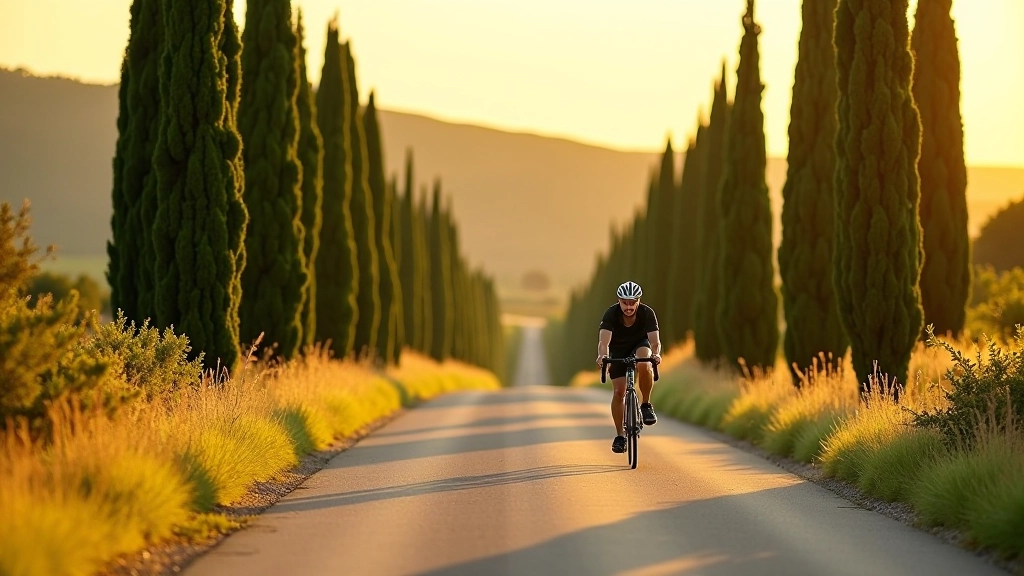
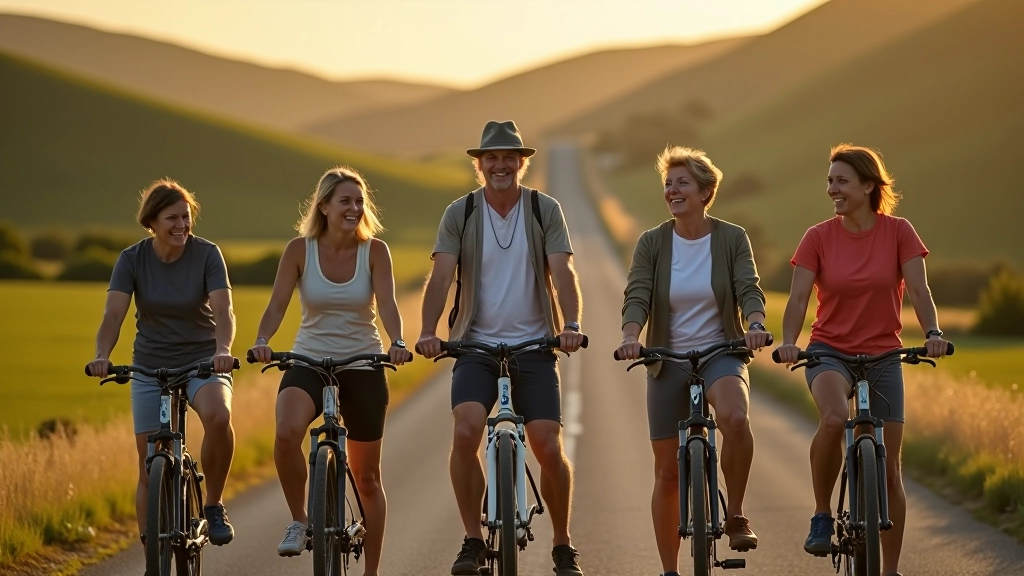
There’s something different about cycling with a group of people who actually understand where you’re coming from. You’re not trying to keep up with teenagers on racing bikes. You’re not following a rigid training plan. Instead, you’re riding through countryside with people your own age, at a pace that lets you talk, laugh, and genuinely enjoy the experience.
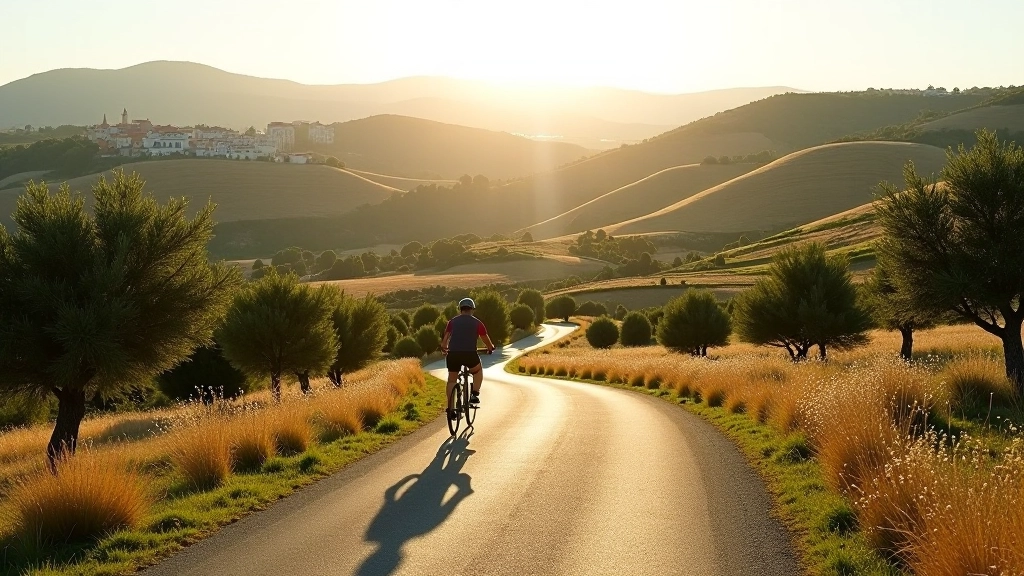
Portugal’s countryside is made for this. Quiet roads, villages worth stopping in, and routes that take you through olive groves and cork forests. The cycling groups here aren’t competitive — they’re social. Most rides happen on weekends, usually Saturday or Sunday morning. You show up, you meet people, and you ride. That’s the whole deal.
Understanding Route Difficulty
Most groups split rides into three categories, and knowing which one fits you matters.
Easy Routes
Usually 25-30km, flat terrain, average speed 15-18km/h. These rides are about enjoying the landscape. You’ll stop for coffee in small towns, take photos, and chat. It’s social riding — not speed. Most people do these every weekend.
Moderate Routes
Typically 40-50km with some climbing. Average speed 18-22km/h. These routes have actual elevation — maybe 400-600 meters of climbing across the ride. You’re working a bit, but you’re not racing. A solid workout, but you can still chat between climbs. Common on weekend mornings.
Challenging Routes
50km-plus with serious elevation. These rides are for people who cycle regularly. Speed is 20-25km/h. You’re getting a real training session. Still friendly, still part of a group, but everyone on these routes is fit.
What to Bring and How to Prepare
You don’t need fancy gear. Most people show up with regular bikes — mountain bikes, hybrids, even old road bikes. What matters is that your bike works. Check your brakes. Make sure your tires have air. That’s genuinely all you need.
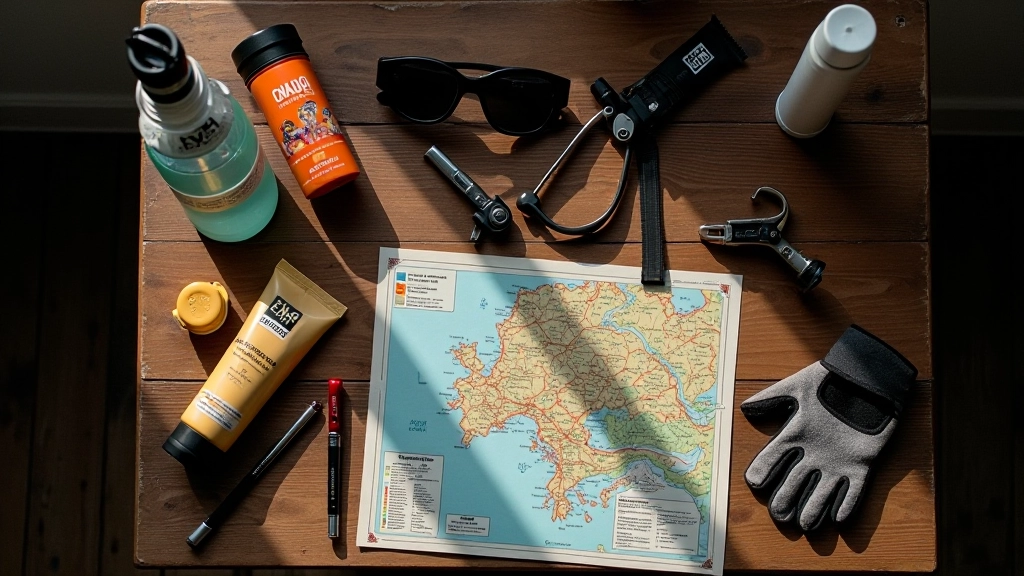
Bring water. Seriously, this is the big one. Cycling in Portuguese heat means you’ll drink more than you think. Most people carry 1.5 liters minimum, sometimes 2 liters on longer rides. Wear sunscreen — the sun is different in Portugal. A light breakfast before you go (just something small — toast, a banana) keeps you steady for the first two hours.
Wear something you don’t mind getting dirty. You’re not in a gym. You’re on rural roads. Dust happens. Bring a small repair kit if you’ve got one — a spare tube, a pump, a multi-tool. But honestly, most groups have someone who carries tools. Don’t stress about being completely self-sufficient.
Finding the Right Group for You
Groups operate differently depending on where you are. In Lisbon, you’ve got organized clubs that post schedules online — usually through Facebook or WhatsApp. You just show up. In smaller towns, cycling is more informal. People know each other. Someone organizes a ride via WhatsApp, and people join.
The best way to find groups? Ask at local bike shops. They know everything. They know which groups ride what routes, how fast they go, and whether they’re welcoming to new people. Most groups are genuinely excited when someone new shows up. You’re not intruding. You’re joining something they care about.
Don’t worry about being slow. There’s always someone new. And here’s the thing — people who cycle in groups are rarely judgmental about fitness levels. They remember what it was like starting out. You’ll get stronger. Most people see real progress within 4-6 weeks of regular riding.
Real Tips from Experienced Riders
Start Early
Most groups leave at 8am or 8:30am. You avoid the worst heat. Roads are quieter. You’re done by 11am, which is genuinely pleasant.
Know Your Route
Ask for the route beforehand. Know roughly how far it is and what the elevation looks like. Don’t be surprised on the ride. Knowing what’s coming helps you pace yourself.
Stay With the Group
Don’t get dropped on the first hill. Ride your own pace. Most groups have a lead rider who sets a steady tempo. Sit in the middle of the group. You’ll conserve energy.
Eat After
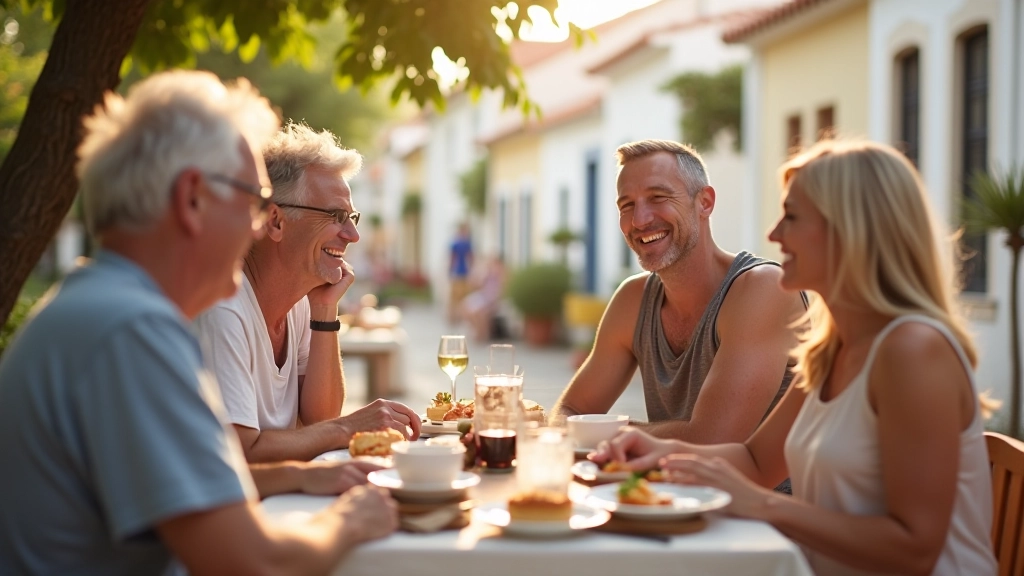
Rides often end with coffee and pastries in a village café. That’s part of the experience. It’s social. You’ll hear about next week’s ride. This is where friendships actually form.
Listen to Your Body
If you’re feeling off, say something. Groups have turnaround points. You can ride back easier if you need to. No one cares. Everyone’s been tired.
Maintain Your Bike
Clean your chain after rides. Oil it every 2-3 weeks. Check tire pressure before each ride. A well-maintained bike is safer and faster. It takes 10 minutes.
It’s Not Really About the Cycling
Here’s what people don’t tell you about cycling groups. The actual cycling is maybe 60% of what you’re doing. The other 40% is the people. You meet someone on a ride who’s also learning photography, and suddenly you’re joining the photography walks group too. Someone mentions a cookbook club that meets in their village, and you’re interested. These groups connect.
You’ll discover villages you didn’t know existed. You’ll learn about local history from people who actually live there. You’ll eat at cafés that don’t have websites — places that only locals know. That’s the real value. You’re not just exercising. You’re getting connected to the actual countryside and the actual community.
Most people who join cycling groups stay for years. Not because they’re obsessed with fitness, but because they’ve built friendships. You see the same faces every weekend. You know their stories. They know yours. That consistency matters more than you’d think.
Ready to Start Riding?
Pick a weekend. Find a local bike shop. Ask about the next group ride. Show up. You’ll be nervous the first time — everyone is. By the second ride, you’ll know people. By the fourth ride, you’ll feel like part of something.
Explore Other ActivitiesImportant Note
This guide is informational only. Cycling carries inherent physical risks. Before joining group rides, ensure your bike is in safe working condition. If you have any health concerns, consult with a medical professional before starting a new physical activity. Always wear a helmet. Follow local traffic laws and ride at your own pace. Group leaders are not responsible for individual safety — you ride at your own risk. Fitness levels vary greatly; start with easier routes and progress gradually.